
Introduction: The Magic of Bat Trang Pottery Museum
Hanoi is not a destination where you passively check off landmarks from a sightseeing checklist. It is a living, breathing sensory kaleidoscope where centuries-old banyan trees drape over French-colonial villas, motorized scooters move in fluid harmony through labyrinthine alleys, and the unmistakable aroma of star anise and roasted robusta coffee drifts through every doorway.
Among the many treasures this city holds, Bat Trang Pottery Museum stands out as an absolute must-visit. Whether you are stepping foot in Vietnam for the very first time or returning to explore its hidden courtyards, this location can feel delightfully overwhelming on day one.
This comprehensive guide is written from the ground up by local insiders and documentary photographers to give you everything you need: authentic neighborhood breakdowns, verified local transport costs, honest safety tips, must-try food spots, and practical photography advice to help you capture memories that do justice to Bat Trang Pottery Museum.
By the time you finish reading this extensive pillar guide, you will understand not just the visual aesthetics of Bat Trang Pottery Museum, but the deep historical roots and cultural heartbeat that make it so undeniably compelling.
1. The Historical and Cultural Context
To photograph Hanoi is to document a living museum. The city's aesthetic is heavily defined by its tumultuous yet rich history. You will find layers of dynastic Vietnamese heritage, century-old French colonial design, and Soviet-era brutalism, all interwoven seamlessly. Bat Trang Pottery Museum is at the very intersection of these historical epochs.
Take note of the fine architectural details—the ornate ironwork on balconies, the faded yellow paint that is so characteristic of Indochine style, and the traditional sloping tile roofs. These elements are not just backgrounds; they are subjects in their own right, offering profound context to your imagery.
The culture here is equally vibrant. Photography is not just about buildings; it’s about the people who inhabit them. The street vendors with their conical hats and bamboo yokes, the elderly men playing Chinese chess on the sidewalk, and the teenagers sipping iced tea on tiny plastic stools all contribute to the dynamic energy that you will want to capture when visiting Bat Trang Pottery Museum.
2. Why Bat Trang Pottery Museum is a Photographer's Dream
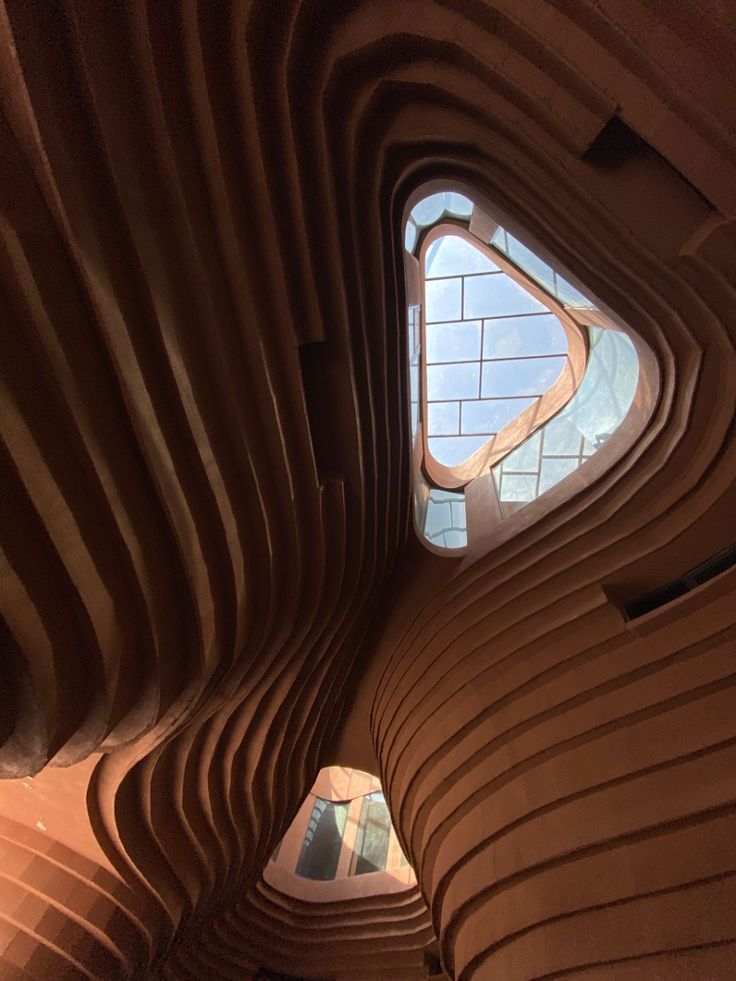
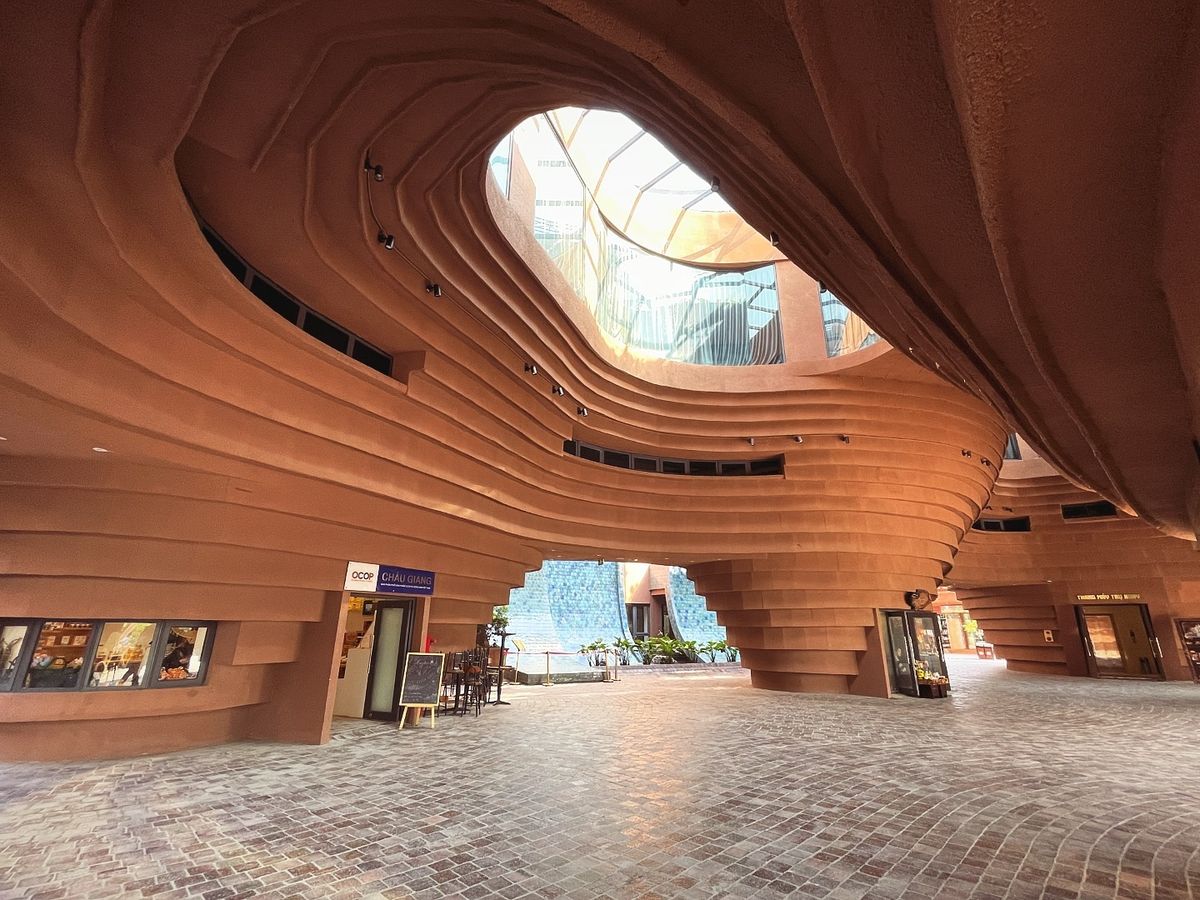
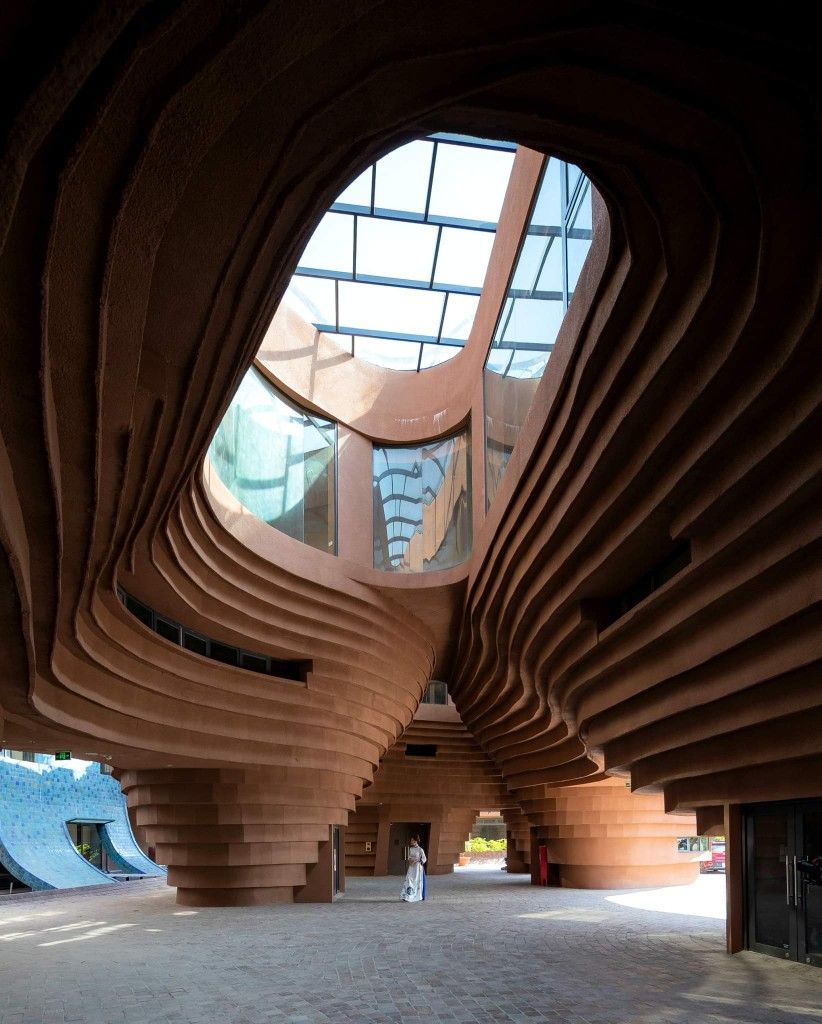
What makes it special: A stunning piece of modern architecture inspired by traditional pottery wheels. The spiraling terra-cotta curves and light shafts create a dramatic, contemporary backdrop.
Beyond the obvious beauty, it’s the nuanced atmosphere that draws creators here. The texture of weathered walls, the interplay of shadow and light in the early hours, and the candid moments of daily life unfolding organically create a rich tapestry for storytelling.
Hanoi doesn’t pose for you; it simply exists, and it is up to you to frame its chaotic elegance. Many photographers make the mistake of rushing through. Take your time, find a vantage point, and let the scene develop in front of your lens.
3. Best Time to Visit & Lighting Tips
Optimal Timing: 2:00 PM – 4:00 PM to catch interesting shadows created by the building's curved, overlapping walls.
Lighting in Hanoi can be incredibly dynamic. During the autumn months (September to November), you might be blessed with the legendary 'golden window'—a soft, warm light that bathes the city in a cinematic glow. In winter, the misty, overcast skies act as a giant softbox, perfect for moody, high-contrast street photography.
Mastering the Light
If you arrive during the early morning, you will encounter the city at its most peaceful. The air is cool, the streets are relatively empty, and the soft directional light helps to define textures and shapes. This is the time for wide establishing shots and environmental portraits without the clutter of heavy traffic.
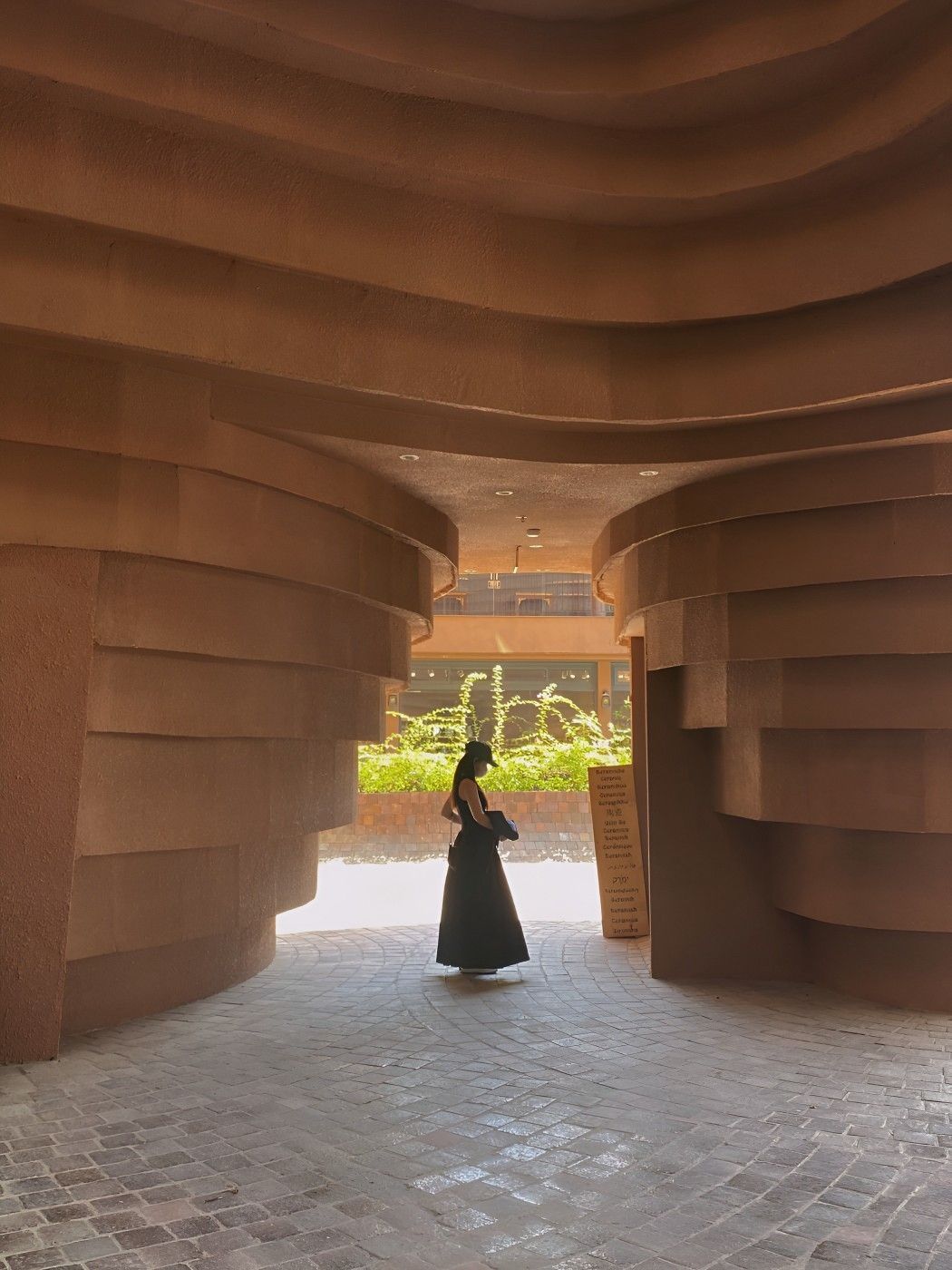
By midday, the harsh tropical sun can cast deep, unflattering shadows. Use this time to explore indoor spaces, narrow alleys, or deeply shaded courtyards where the light is diffused. Late afternoon brings the golden hour, followed rapidly by the blue hour when the city’s artificial lights begin to glow against the twilight sky—an ideal scenario for long exposures.
4. Camera Tips & Essential Gear
Expert Advice: Use an ultra-wide lens (14mm-16mm) to fit the sweeping, massive curves of the building's exterior into your frame.
When packing your gear for Hanoi, versatility and portability should be your top priorities. The streets can be crowded, and you want to remain agile. Here is our recommended packing list:
- Standard Zoom Lens: A 24-70mm offers incredible flexibility, allowing you to capture everything from sweeping architectural vistas to tight, intimate portraits of street vendors.
- Fast Prime Lenses: A 35mm f/1.4 or 50mm f/1.8 is invaluable for low-light situations and for isolating your subject with a shallow depth of field against a busy background.
- Circular Polarizer & ND Filters: Helps cut through atmospheric haze, reduce glare from reflective surfaces like water, and allows you to shoot wide open in bright daylight.
- Weather Protection: Hanoi's weather can be unpredictable. Always carry a lightweight rain cover. Some of the most compelling photos are taken during a sudden tropical downpour.
5. Culinary Delights & Surrounding Attractions
No visit to Bat Trang Pottery Museum is complete without indulging in the local culinary scene. Hanoi food is celebrated globally for its subtle balance, fresh herbal notes, and incredibly deep, rich broths.
Must-Try Local Specialties
- Phở (Pho): The quintessential Vietnamese dish. Seek out a vendor where the broth is simmering in giant vats and the locals are seated on low stools.
- Bún Chả: Grilled pork served over vermicelli noodles with a basket of fresh herbs. Follow the scent of charcoal smoke to find the best spots.
- Cà Phê Trứng (Egg Coffee): A rich, creamy concoction born out of milk shortages during the French war. It is sweet, decadent, and visually striking.
6. Staying Safe & Scam-Free in Hanoi
Hanoi is statistically one of the safest capital cities in Asia, with violent crime against tourists being extremely rare. However, being aware of minor scams will ensure your trip remains stress-free.
- The Cyclo Fare Misunderstanding: Always negotiate and confirm the total price (per person or per ride) before getting in.
- The "Free" Fruit Basket Photo Trap: Women may offer to let you pose with their baskets for a photo, then aggressively demand you buy their fruit at an inflated price.
- Crossing the Street with Confidence: Walk slowly, steadily, and predictably. Do not run, and do not step backward. The motorbikes will naturally flow around you.
7. Turn Your Hanoi Journey Into Lifetime Memories: The Private Photo Tour
You can explore Hanoi on your own with a phone camera, but something is always missing: YOU are rarely in the photos, or you spend half your trip stressing about angles instead of soaking in the moment.
That is why TravelFrame was born. We host private, relaxed walking photo tours led by passionate local photographers. We know the hidden courtyards, the best light, and the quiet alleys away from the tourist masses.
👉 Ready to explore Hanoi with a local photographer friend? Explore TravelFrame Photo Tours at TravelFrame now.
Frequently Asked Questions (FAQ)
Is Hanoi safe for solo female travelers?
Yes, Hanoi is widely considered one of the safest travel destinations in Southeast Asia for solo female travelers. Violent crime is extremely rare. Basic precautions, such as keeping valuables secure in crowded areas and using reputable ride-hailing apps at night, are sufficient.
How many days should I spend in Hanoi?
We recommend spending at least 3 full days in Hanoi to properly experience the Old Quarter, visit the major historical sites, and indulge in the street food culture. If you plan to take day trips to Ha Long Bay or Ninh Binh, you should allocate 5 to 7 days.
What is the best way to get mobile internet (SIM/eSIM)?
The easiest method is purchasing a travel eSIM online prior to your arrival, allowing you to connect the moment you land. Alternatively, you can purchase a physical SIM card from official kiosks right outside the arrivals hall at Noi Bai International Airport.
👉 Want to visit Hanoi's craft villages with a local who photographs you along the way? Join our Colors of the Delta: Craft Villages Expedition private tour.